


Sale and Purchase of Used Escalators,Travelators & Elevators
Alutech specializes in the design, fabrication, and installation of advanced
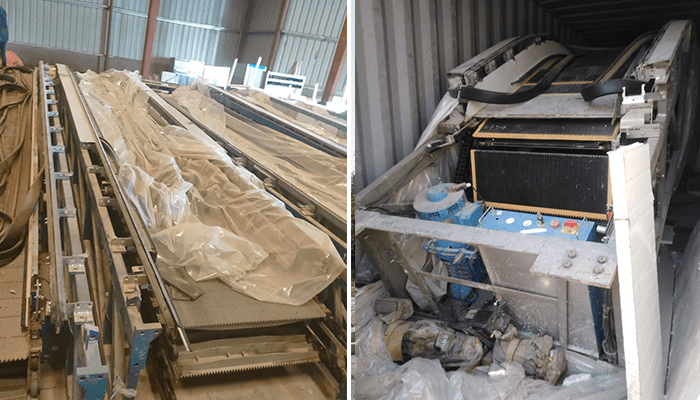
Sale and purchase of escalators, travelators, and elevators involve several key considerations to ensure that the chosen systems meet the specific needs of a building or project. Here’s a detailed guide on the process:
Type of System Required:
Escalators: Suitable for moving people between different levels in commercial buildings, shopping malls, and transit stations.
Travelators: Ideal for transporting people over long horizontal distances in airports, malls, and large public spaces.
Elevators: Used for vertical transportation between floors in buildings, including residential, commercial, and industrial applications.
Capacity and Traffic:
Determine the expected foot traffic and capacity requirements to choose the right size and type of system.
Design and Aesthetics:
Consider the architectural design and aesthetic preferences to ensure that the systems blend seamlessly with the building’s interior.
2. Choosing the Right Vendor
Reputable Brands:
Look for established brands known for quality and reliability, such as Otis, Thyssenkrupp, Schindler, Kone, and Mitsubishi Electric.
Local and International Suppliers:
Decide whether to purchase from local suppliers or fully imported systems based on cost, availability, and desired features.
Customer Support:
Ensure the vendor offers comprehensive support services, including installation, maintenance, and warranty options.
3. Key Considerations for Purchase
Cost:
Initial Investment: Compare costs of different models and brands to fit your budget.
Maintenance Costs: Factor in the long-term maintenance and operational costs, which can vary based on the system’s complexity and the availability of parts and service.
Compliance and Standards:
Verify that the systems meet local building codes and safety regulations.
Ensure that all necessary certifications are in place.
Customization Options:
Check if the systems can be customized to match the specific design and functional requirements of your project.
4. Installation Process
Professional Installation:
Hire experienced and certified professionals for the installation to ensure the systems are set up correctly and safely.
Site Preparation:
Prepare the site according to the specifications provided by the manufacturer, including structural modifications if needed.
Testing and Commissioning:
Conduct thorough testing and commissioning to ensure that the systems operate correctly and meet performance expectations.
5. Maintenance and Support
Regular Maintenance:
Schedule regular maintenance to keep the systems in good working condition and to prevent potential issues.
Emergency Repairs:
Ensure that there is a plan in place for emergency repairs and that service providers are readily available.
Warranty:
Review the warranty terms to understand the coverage and any limitations.
6. Purchasing Process
Request Quotes:
Obtain quotes from multiple suppliers to compare pricing and options.
Review Contracts:
Carefully review contracts and terms of sale, including delivery times, installation schedules, and payment terms.
Order Placement:
Place the order with the chosen supplier and confirm all details before proceeding.
7. Post-Purchase Considerations
Training:
Ensure that staff are trained on the operation and basic troubleshooting of the systems.
Feedback and Evaluation:
Gather feedback from users and evaluate the performance of the systems to ensure they meet expectations.
In summary, the sale and purchase of escalators, travelators, and elevators involve careful planning and consideration of factors such as system requirements, vendor selection, cost, installation, and ongoing maintenance. By addressing these aspects, you can ensure a successful acquisition and implementation of these essential transportation systems.