


Packaged HVAC Systems
Packaged HVAC systems are all-in-one heating, cooling, and ventilation solutions designed to serve residential and commercial buildings. Unlike split systems that have separate indoor and outdoor units, packaged systems combine all components—compressors, condensers, evaporators, and air handlers—into a single unit. This unit is usually installed on the roof, a concrete slab near the foundation, or outside the building, making it a compact and convenient solution for properties with limited indoor space.
Packaged HVAC systems are especially popular in commercial applications, small homes, or locations where space constraints make traditional systems impractical.
Key Features and Benefits of Packaged HVAC Systems
Space-Saving Design
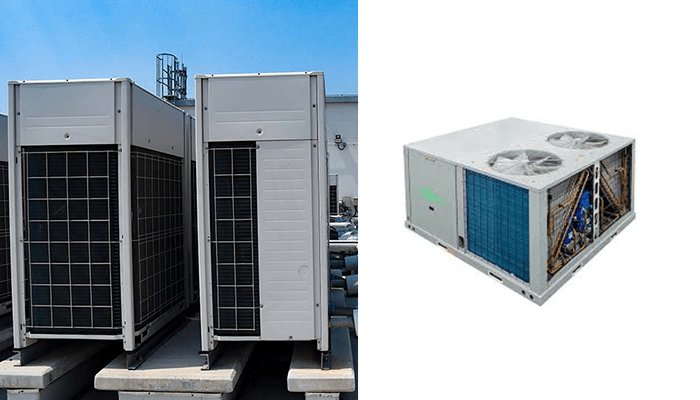
Compact All-in-One Unit: Packaged systems house all necessary heating and cooling components within a single cabinet, saving indoor space. This is particularly beneficial for properties with limited interior space.
Outdoor Installation: These systems are typically installed outside the building on rooftops or ground-level pads, eliminating the need for separate indoor units or extensive ductwork.
Easy Installation and Maintenance
Simplified Installation: With all components housed in one unit, installation is straightforward, reducing the time and labor costs associated with HVAC system setups.
Convenient Maintenance: Packaged systems provide easy access to all parts for service and maintenance, which simplifies routine checks and repairs.
Versatility and Flexibility
Multiple Configuration Options: Packaged systems come in various types, including gas-electric, heat pump, dual-fuel, and air conditioner-only configurations, providing flexibility based on the building’s specific heating and cooling needs.
Applications for Various Building Types: These systems are suitable for a range of applications, from single-family homes to commercial buildings, schools, and industrial facilities.
Energy Efficiency
High SEER Ratings: Many packaged systems are available with high Seasonal Energy Efficiency Ratio (SEER) ratings, ensuring energy-efficient operation and reducing energy bills.
Variable Speed Fans and Compressors: Advanced models offer variable-speed fans and compressors, optimizing energy use and maintaining consistent indoor temperatures.
Enhanced Indoor Air Quality
Integrated Air Filtration: Packaged HVAC systems often come with built-in air filtration systems, which help reduce indoor air pollutants, allergens, and dust, contributing to a healthier indoor environment.
Reduced Noise Levels
Outdoor Operation: Since packaged systems are installed outside the building, they generally operate more quietly compared to indoor systems, making them ideal for noise-sensitive environments like offices, hospitals, and residential areas.
Cost-Effective Solution
Lower Initial Costs: Packaged systems can have lower initial costs than split systems due to their simpler installation and all-in-one design, which eliminates the need for separate indoor and outdoor components.
Types of Packaged HVAC Systems
Packaged Air Conditioners
Cooling Only: These systems provide cooling and, in some cases, dehumidification. They are ideal for regions where heating is not required or for buildings that use separate heating systems, such as electric resistance or hydronic heating.
Packaged Heat Pumps
Heating and Cooling: Packaged heat pumps provide both heating and cooling capabilities by reversing the refrigerant flow. They are highly efficient for moderate climates and offer a year-round solution.
Packaged Gas-Electric Units
Hybrid Solution: These systems combine an electric air conditioner with a gas furnace. They are perfect for areas that experience both hot summers and cold winters, providing the benefits of both gas and electric energy sources.
Packaged Dual-Fuel Systems
Maximized Efficiency: Dual-fuel packaged systems combine a heat pump with a gas furnace. The heat pump operates during mild weather, while the gas furnace takes over in colder conditions, optimizing energy use and maintaining comfort.
Packaged Terminal Air Conditioners (PTACs)
Individual Room Control: PTACs are smaller packaged systems designed for single-room installations, such as hotel rooms, small apartments, or office spaces. They provide both heating and cooling and are controlled individually, offering targeted comfort solutions.
Components of Packaged HVAC Systems
Compressor
The compressor is responsible for circulating refrigerant between the evaporator and condenser coils. It plays a critical role in both heating and cooling processes, depending on the system type.
Condenser Coil
The condenser coil releases heat outside the building during cooling. In heating modes (for heat pumps), it absorbs heat from the outside air.
Evaporator Coil
The evaporator coil absorbs heat from the indoor air during cooling, removing humidity and providing dehumidification benefits.
Air Handler
The air handler contains a blower fan that circulates conditioned air throughout the building’s ductwork. In packaged systems, the air handler is integrated within the outdoor unit.
Furnace or Heat Pump (for Heating)
Depending on the system type, the heating component could be a gas furnace (in gas-electric units) or a heat pump (in heat pump and dual-fuel units), providing efficient heating.
Thermostat
A programmable or smart thermostat regulates the indoor temperature by controlling the HVAC system’s operation based on user settings or smart algorithms.
Ductwork Connections
Packaged systems connect to the building’s ductwork, distributing conditioned air to various rooms or zones. This centralized air distribution helps maintain uniform temperatures.
Considerations for Choosing a Packaged HVAC System
Building Size and Load Requirements
Conduct a load calculation to determine the correct size and capacity of the packaged system needed to efficiently heat and cool the space. An undersized or oversized unit can result in poor performance and increased energy costs.
Climate Conditions
Choose the type of packaged system based on local climate conditions. Heat pumps are suitable for moderate climates, while gas-electric systems may be more efficient in areas with extreme temperatures.
Energy Efficiency Ratings
Look for systems with high SEER, EER (Energy Efficiency Ratio), and HSPF (Heating Seasonal Performance Factor) ratings to maximize energy savings and reduce utility costs.
Installation and Maintenance Costs
Consider the costs associated with installation, which may vary depending on the type of system, location, and building layout. Also, factor in maintenance costs for routine checks, filter replacements, and potential repairs.
Building Type and Usage
Consider the specific needs of the building—whether it is a single-family home, multi-family property, office building, school, or industrial facility—to select the most appropriate packaged HVAC system.
Noise Levels
Evaluate the noise levels of the system, especially if the unit is installed close to occupied areas. Look for systems with sound-dampening features and low decibel ratings.
Advanced Features
Consider advanced features like smart thermostats, variable-speed fans, and eco-friendly refrigerants to enhance comfort, efficiency, and sustainability.